

May 5, 2026
Concerns around electricity and energy availability, prices, and access have been rising across the U.S. The demand for energy has been rising, in part, due to growing transportation and building electrification alongside the AI data center boom. An aging grid, the intermittency of traditional renewables like solar and wind, and extreme weather events that increase outages and grid volatility are additional factors that mean the U.S. doesn’t just need more energy; it needs high-quality energy that addresses concerns about resiliency, affordability, and availability.
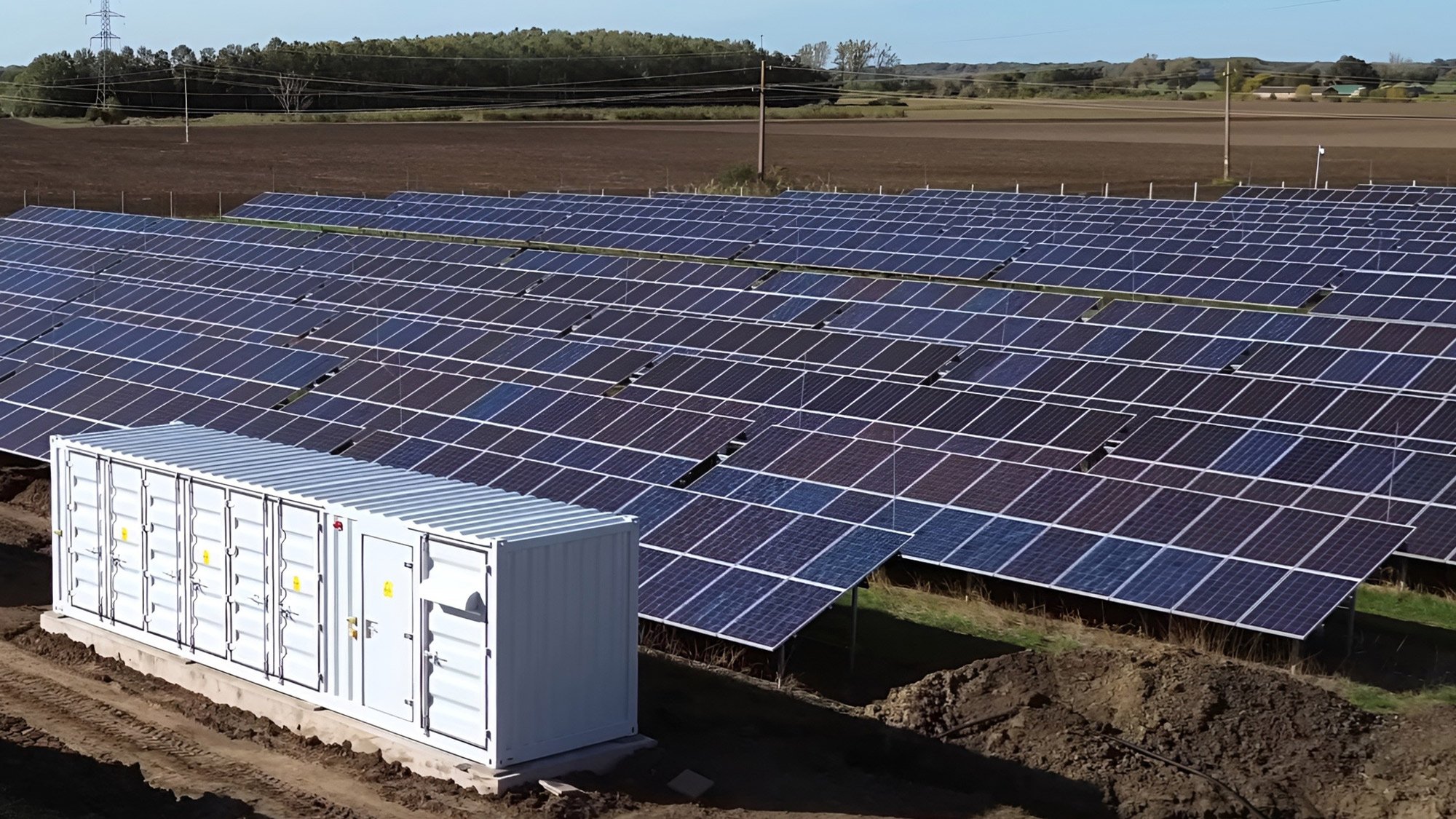
Solutions to address these issues need to simultaneously address power demand growth, infrastructure constraints, and outage risk. Distributed energy resources, or DERs, that include solar + storage installations, offer a promising answer to these growing concerns about energy availability.
What is energy availability?
Energy availability means that energy is accessible both when and where it is needed. This means that there must be enough energy supply entering a grid system from generation sources to meet users' energy demand at the exact time it’s needed, including during daily or seasonal peaks.
To effectively meet this energy demand, grid infrastructure must be capable of delivering it. Today's transmission infrastructure is built to carry energy across long distances from a small set of large power plants. This traditional model hinders energy availability because it requires massive transmission upgrades when new sources are brought online, and the far distances between generation and demand result in major energy losses.
Finally, the type of energy source must meet the user and their system’s operational requirements: gasoline for combustion-engine vehicles, AC power for electrified building systems, or natural gas for gas stoves. If an energy source is abundant but not transmittable to the system using it, it cannot be considered available. What’s more, companies and consumers may prefer to use one energy type over another, like requiring low or no-emission fuels to reduce their environmental impact.
Today’s Grid Limitations
Energy supply and demand are often mismatched, especially during peak load periods.
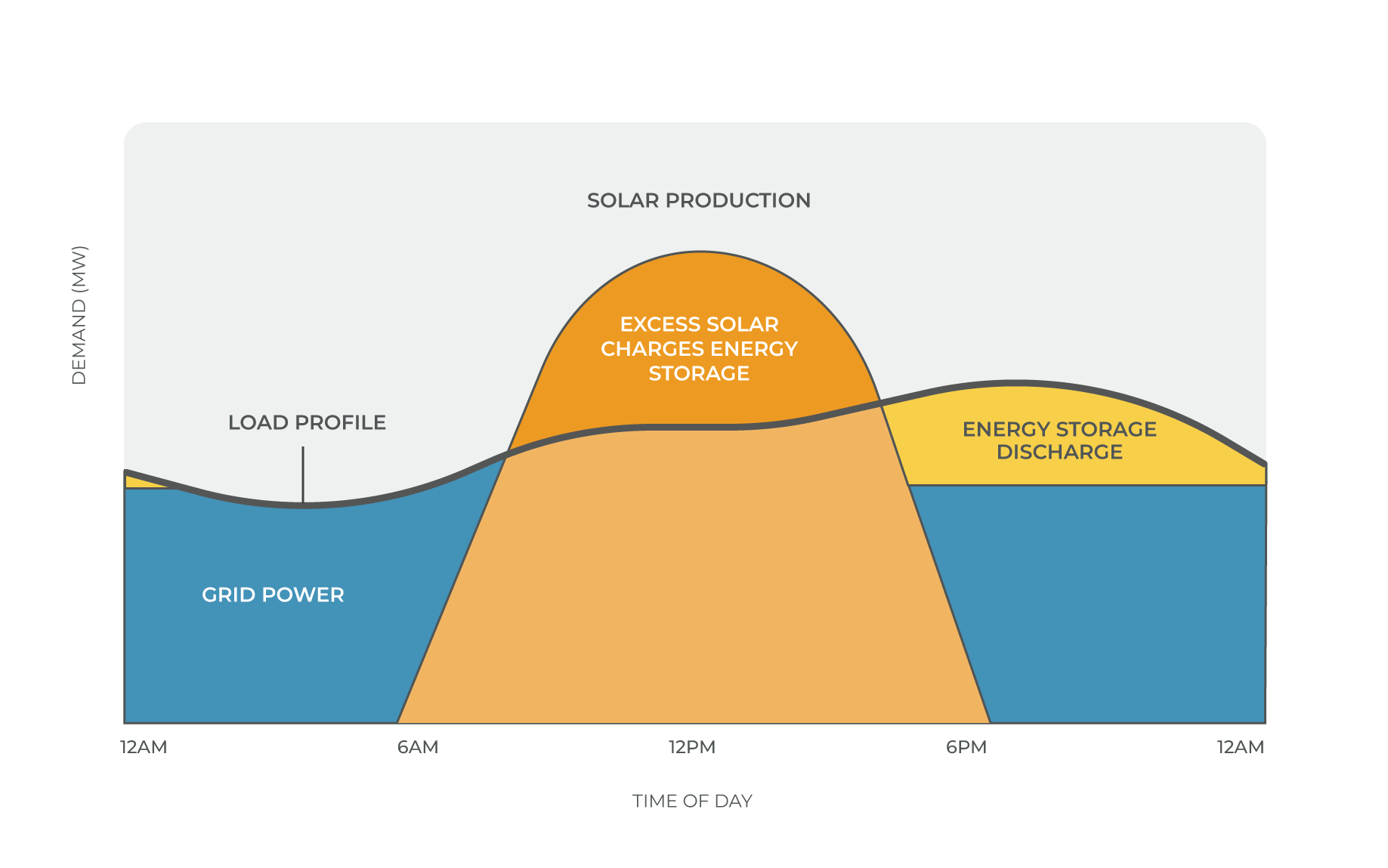
As its name suggests, solar produces energy during the day when the sun is up, with peak generation in the afternoon when the sun shines the strongest. This high generation period typically aligns with daytime demand from commercial and industrial energy needs.
Energy demand is also seasonal, like during heatwaves and winter freezes. With rising instances of weather anomalies in recent years, demand volatility is growing at a yearly scale beyond regular daily fluctuations. New energy sources must be able to respond and produce enough electricity to meet these high-peak demand moments.
Unfortunately, bridging this gap is not as simple as producing more energy. Excess energy may be wasted due to a phenomenon known as renewable energy curtailment. When an aging or subpar grid cannot absorb the full energy produced by renewables, grid operators must “curtail” it, shutting off the generation source. The electric system can only be as large as the grid that dispatches it. Growing energy supply sufficiently will require more than additional natural gas, solar, or wind generation.
Transmission infrastructure in many regions of the U.S. is outdated, congested, or insufficient to handle today’s energy flows, and the fastest growing energy demands anticipated in the next 4 years. Building new transmission lines is a slow process, in no small part because it is an expensive, heavily regulated undertaking. Building and updating the energy transmission creates bottlenecks in energy supply growth, delaying energy projects intended to meet today’s demand upswing.
How Solar + Storage Work to Solve Energy Availability Challenges
Solar power and energy storage complement each other perfectly, filling in the other’s performance gaps to provide reliable, renewable energy to the grid whenever it is required.
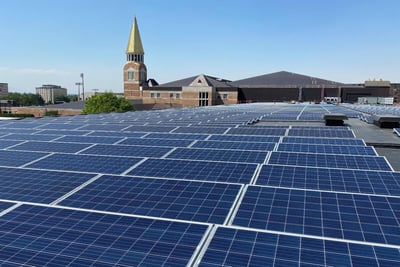
Solar energy addresses availability challenges by adding affordable, renewable energy production. Solar panel technology is readily available to increase energy supply for the U.S. grid. It is relatively affordable and much faster to build than other generation sources that require major construction timelines. Solar panels and their components can also be sourced domestically, eliminating dependence on foreign energy imports and on fuel price volatility. This makes the grid more reliable and power more affordable for organizations and communities alike.
Energy storage addresses energy availability challenges by adding grid capacity with more responsive dispatching. Energy storage expands a grid’s capacity, or the maximum amount of energy that a grid system can provide at once. Today’s energy storage systems are paired with intelligent battery management, ensuring that the battery’s charge and discharge cycles respond to the grid’s energy demand while preserving battery state of health. Adding storage enhances power quality by providing fast-response services such as frequency regulation, voltage support, and backup power, thereby improving the energy customer experience.
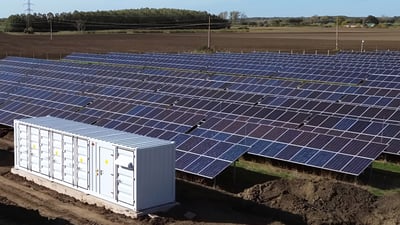
Together, Solar + Storage systems address energy supply challenges better than they do apart. Energy demand frequently peaks in the evening, as solar generation begins to slow to its nighttime pause. Battery energy storage systems complement solar by dispatching daytime energy during peak demand hours, ensuring that energy is available exactly when it’s needed.
Battery energy storage captures excess solar generation instead of curtailing it, increasing the total usable energy supply when it would otherwise go to waste. Neither technology alone can generate and intelligently dispatch renewable energy, but together they can address this common supply and timing challenge.
The Beneficiaries of a More Reliable, Flexible Grid
Creating more Solar + Storage ultimately leads to a more reliable, more flexible grid for all who produce, manage, and use energy.
Utility and grid operators benefit from peak shaving and load balancing capabilities that are only available when they can effectively store surplus energy and release it on demand. When DERs increase energy availability and grid reliability on existing grid infrastructure, utilities can defer costly upgrades and save on immediate expansion costs. On a broader scale, moving towards energy independence can benefit national economic stability by growing domestic energy production and reducing reliance on foreign fuels.
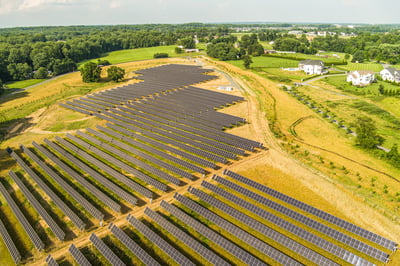
Landowners benefit from monetizing underutilized space in both rural and urban environments, supporting their region’s energy growth while earning a lease income. In rural areas, farm landowners can diversify income streams to supplement crop profits and ensure their land remains in family hands. In urban environments, property owners can support grid stability, attract more tenants, and generate lease income.
Commercial, industrial, and community energy users all benefit from the stability that increased solar and storage provide. Adding energy choice to markets that often lack diverse supply options allows energy customers to select energy that meets their needs, including renewable options that are more affordable and low- or no-emission. The resulting energy cost savings for all grid customers in the region and lower outage rates attract businesses, helping local economies thrive.
The Future of Energy Availability
Solar + Storage solutions expand the possibilities for the future of the U.S. electric grid. In the coming decade, expect to see a rise in distributed energy resources and virtual power plants driven by new technologies, stabilizing solar panel and battery costs, and rising demand for affordable, available energy.
Automation built on precision AI models will continue to improve grid flexibility by deploying increasingly dynamic grid management strategies. These intelligent solutions will make the DER grid possible, ensuring responsive generation, storage, and dispatching that keep energy available and prices stable.
Solar + Storage DERs will expand access to electricity beyond traditional geographic limits, decoupling energy choice from location limitations. Organizations can already leverage tactics like Virtual Power Purchase Agreements (VPPAs) to support renewable energy projects across geographies. Community solar projects enhance energy generation and choice in rural communities for broader access, affordability, and reliability. Expect these energy trends to continue as more businesses and communities reap the benefits of diversified and distributed energy production.
Adding energy storage systems to renewable energy installations improves energy availability and reduces climate impact by expanding the daily hours renewable energy is dispatched to grid users. At Pivot Energy, we work with organizations, communities, and landowners ready to explore renewable energy solutions that strengthen economies, create jobs, and provide affordable, reliable power for businesses and communities across the U.S.
Contact Pivot Energy for expert guidance on implementing Solar + Storage as a part of your energy strategy.